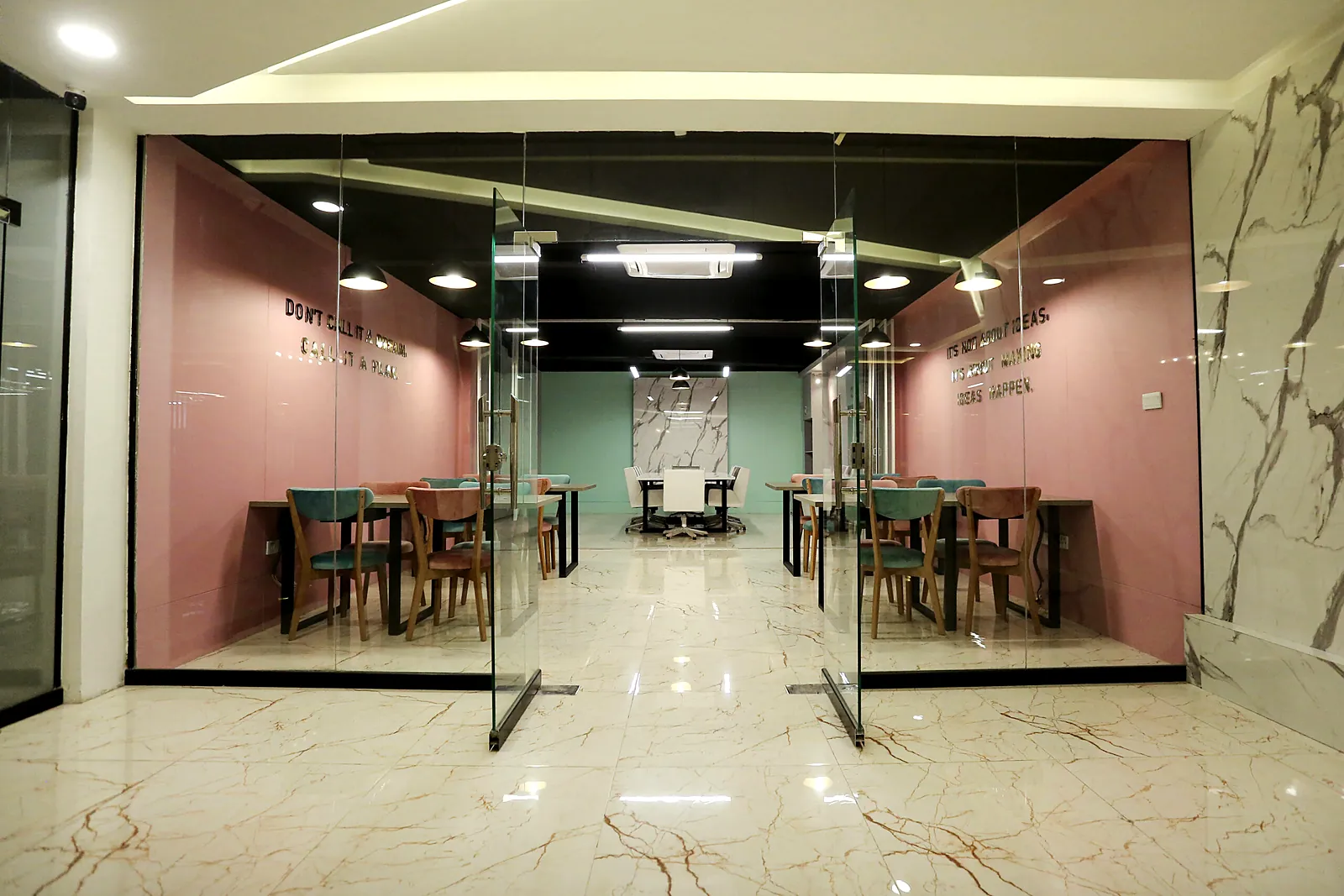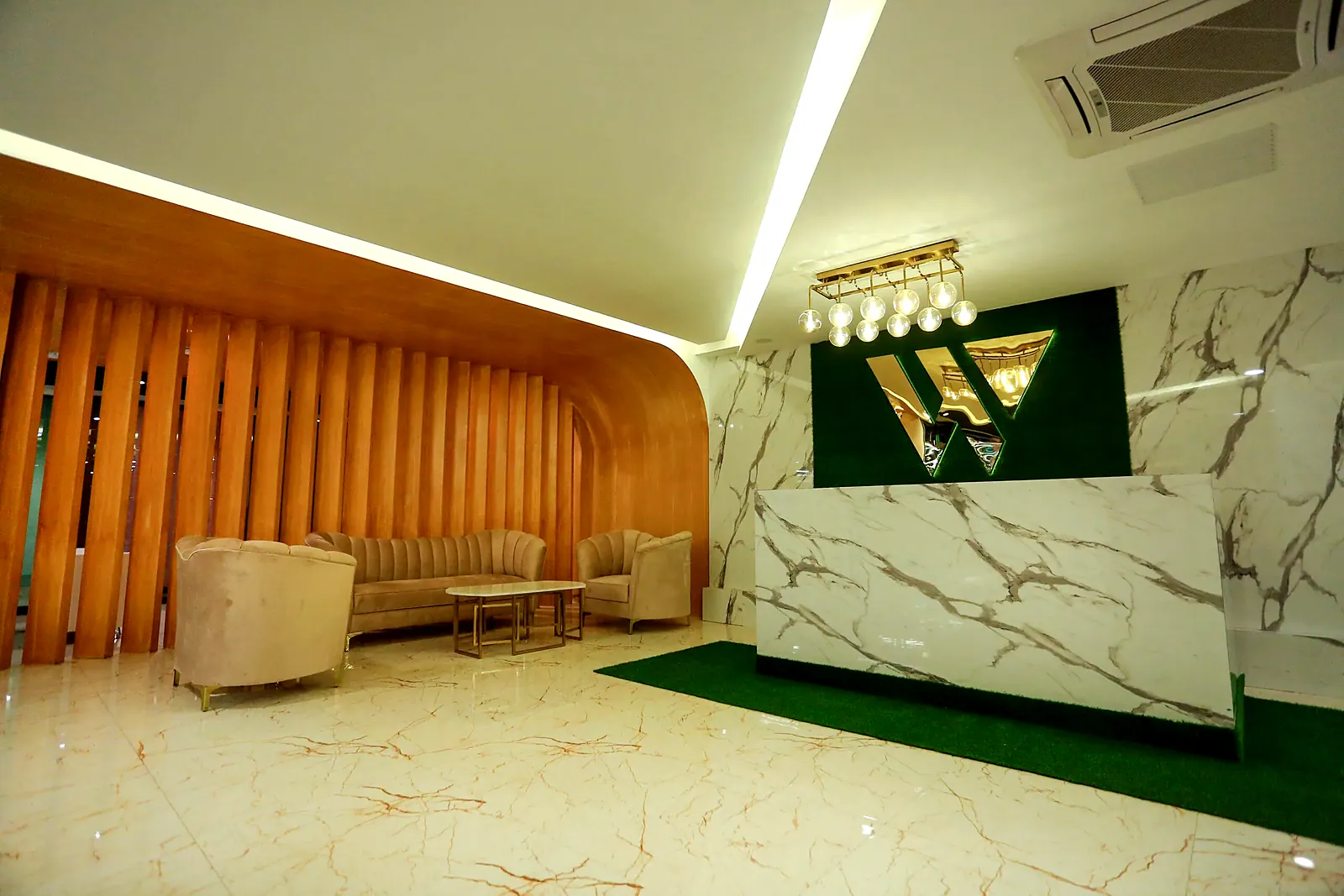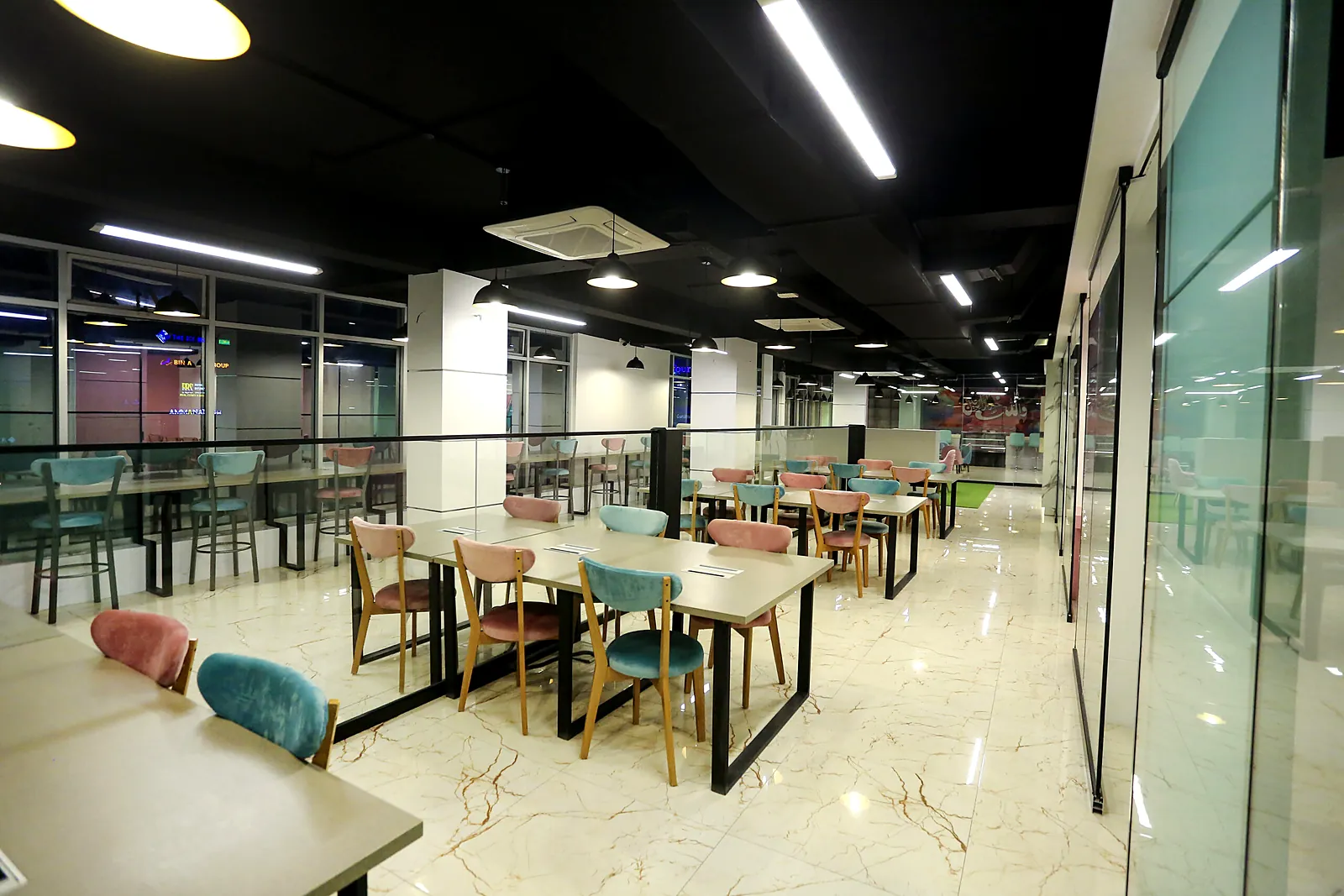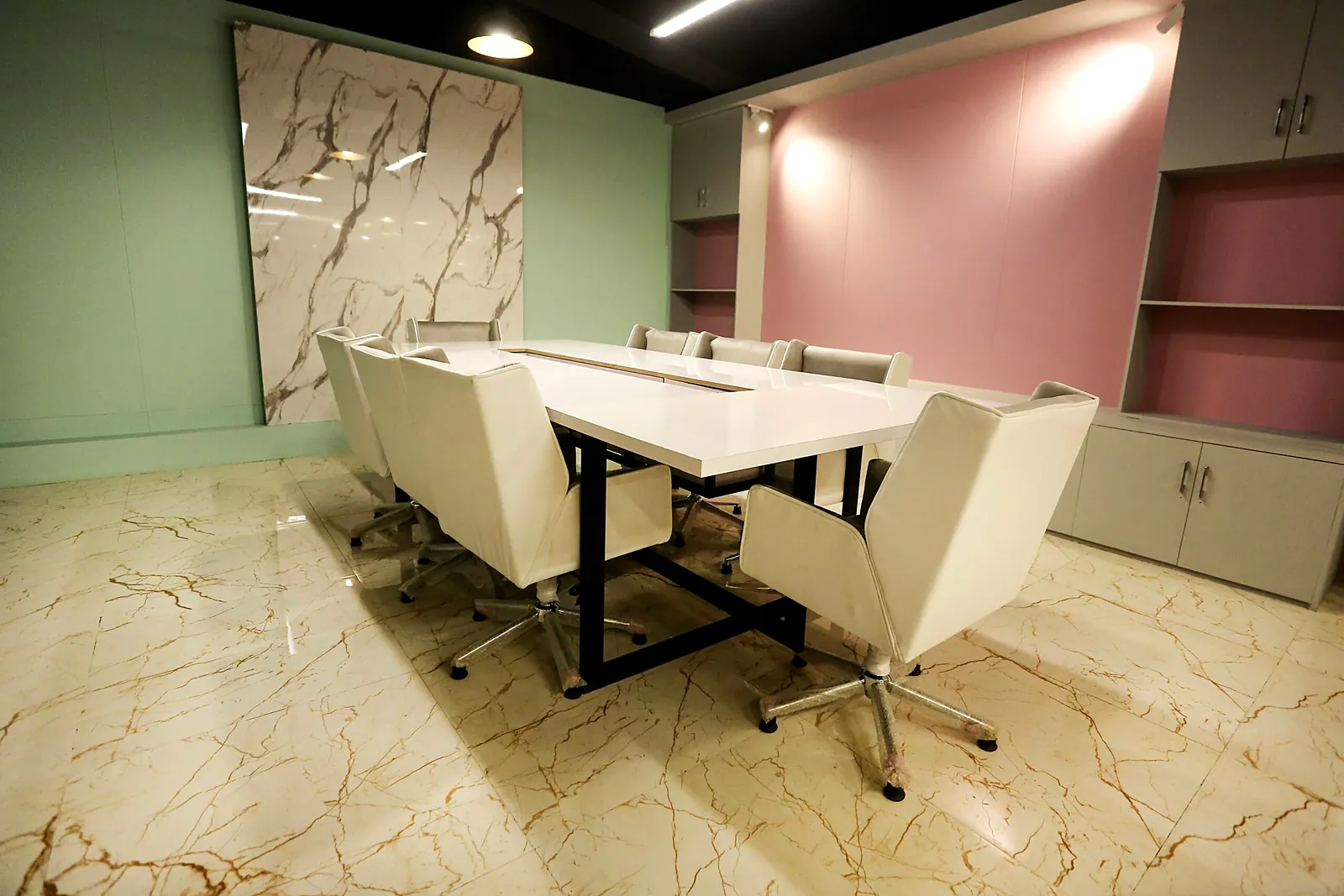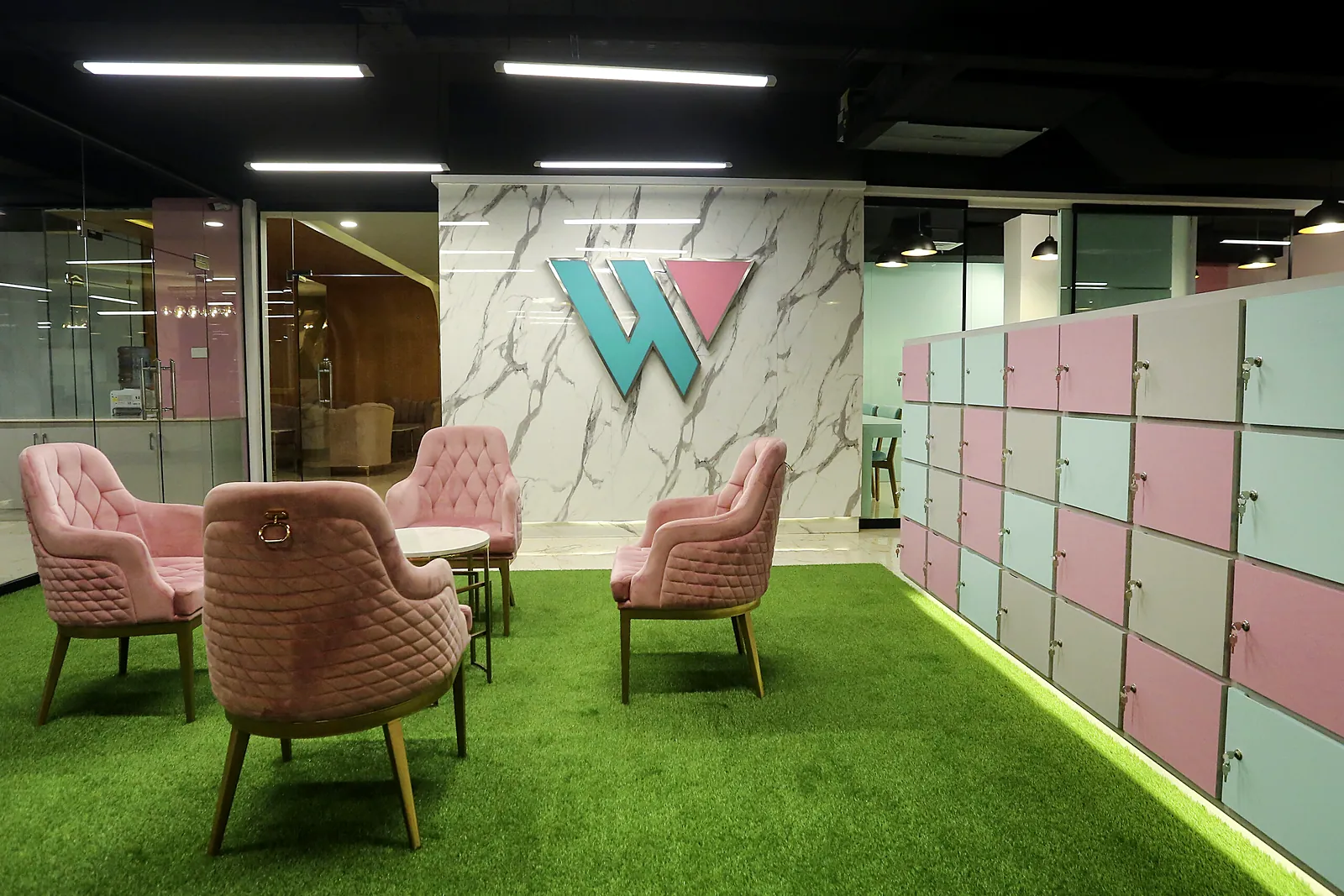
Choosing a new office location is one of the most important business decisions a company can make. The right workspace can improve employee productivity, enhance collaboration, strengthen your brand image, and support long-term growth. On the other hand, selecting the wrong office space can lead to higher operating costs, employee dissatisfaction, and limitations on future expansion.
Whether you are a startup, a growing business, or an established enterprise, understanding the Things to Consider While Looking for a New Office Space can help you make an informed decision that aligns with your business goals.
This guide explores the key factors, common mistakes, costs, benefits, and best practices involved in selecting the ideal office space.
Key Takeaways
Before diving into the details, here are the most important Things to Consider While Looking for a New Office Space:
- Choose a location that is accessible for employees and clients.
- Ensure the office size meets current and future business needs.
- Evaluate total occupancy costs, not just rent.
- Prioritize workplace amenities and employee comfort.
- Check technology infrastructure and internet reliability.
- Consider flexibility for future growth.
- Assess security, safety, and compliance requirements.
- Analyze parking and transportation options.
- Review lease terms carefully before signing.
- Align the office environment with your company culture and brand identity.
Why Choosing the Right Office Space Matters
An office is more than just a place to work. It directly influences:
- Employee productivity
- Team collaboration
- Customer perception
- Talent recruitment and retention
- Operational efficiency
- Business scalability
Research consistently shows that workplace design, accessibility, and employee comfort significantly impact performance and job satisfaction. Businesses that invest in suitable office environments often experience improved engagement and reduced employee turnover.
What Is an Office Space?
An office space is a physical workplace where employees perform business activities, collaborate with colleagues, meet clients, and access essential resources.
Modern office options include:
- Traditional leased offices
- Serviced offices
- Coworking spaces
- Managed offices
- Hybrid workplaces
- Virtual office solutions
Each option serves different business requirements, budgets, and growth strategies.
Things to Consider While Looking for a New Office Space
Location and Accessibility
Location remains one of the most critical factors when selecting office space.
Employee Convenience
Consider:
- Commuting times
- Public transportation access
- Nearby residential areas
- Availability of parking
Long and stressful commutes can negatively affect employee morale and productivity.
Client Accessibility
Your office should be easy for clients, partners, and vendors to find and access.
A central location often creates a more professional impression and encourages business opportunities.
Business District Advantages
Being located in a recognized business hub can:
- Enhance credibility
- Increase networking opportunities
- Improve brand visibility
- Provide easier access to professional services
Office Size and Space Requirements
One of the most overlooked Things to Consider While Looking for a New Office Space is future space planning.
Assess Current Needs
Evaluate:
- Number of employees
- Workstations required
- Meeting rooms
- Reception area
- Storage requirements
- Breakout spaces
Plan for Future Growth
Avoid choosing a space that only meets today’s needs.
Ask yourself:
- Will the company grow within the next 3–5 years?
- Will additional departments be added?
- Could remote work reduce space requirements?
A scalable office solution prevents expensive relocations later.
Budget and Total Occupancy Costs
Many businesses focus solely on monthly rent and overlook additional expenses.
Common Office Costs
These may include:
- Rent
- Utilities
- Maintenance fees
- Internet services
- Security charges
- Parking fees
- Insurance
- Cleaning services
Calculate Total Cost of Occupancy
A lower rent may not always mean lower overall costs.
Create a comprehensive budget that includes:
- Initial setup expenses
- Monthly operating costs
- Annual maintenance costs
- Potential renovation expenses
This provides a realistic picture of long-term affordability.
Office Layout and Design
The office layout directly affects productivity and collaboration.
Open-Plan Offices
Benefits:
- Improved communication
- Better collaboration
- Efficient use of space
Challenges:
- Noise distractions
- Reduced privacy
Private Office Layouts
Benefits:
- Increased focus
- Better confidentiality
- Reduced distractions
Challenges:
- Less collaboration
Hybrid Designs
Many modern businesses prefer a balanced approach that combines:
- Open workstations
- Private offices
- Meeting rooms
- Collaboration zones
This flexible layout accommodates different work styles.
Technology Infrastructure
Technology is essential for modern business operations.
Internet Connectivity
Verify:
- Internet speed
- Fiber-optic availability
- Network reliability
- Backup connectivity options
Slow internet can significantly impact productivity.
IT Infrastructure
Ensure the office supports:
- Cloud-based systems
- Video conferencing
- Cybersecurity requirements
- Server equipment if needed
Future-ready technology infrastructure reduces operational disruptions.
Lease Terms and Flexibility
Before signing a lease, carefully review all contractual obligations.
Key Lease Considerations
Check:
- Lease duration
- Renewal options
- Exit clauses
- Rent increases
- Maintenance responsibilities
Flexible Office Solutions
Businesses facing uncertain growth may benefit from:
- Coworking spaces
- Managed offices
- Short-term leases
These options provide flexibility while reducing long-term risk.
Workplace Amenities
Modern employees expect more than desks and chairs.
Essential Amenities
Look for:
- High-speed internet
- Meeting rooms
- Kitchen facilities
- Air conditioning
- Comfortable furniture
- Break areas
Employee Wellbeing Features
Increasingly important amenities include:
- Natural lighting
- Wellness rooms
- Fitness facilities
- Outdoor spaces
- Green work environments
These features can improve employee satisfaction and retention.
Parking and Transportation
Transportation access affects both employees and visitors.
Parking Availability
Evaluate:
- Employee parking
- Visitor parking
- Parking costs
- Future parking requirements
Public Transportation Access
Offices located near:
- Bus routes
- Train stations
- Metro systems
often attract a larger talent pool and reduce commuting challenges.
Safety and Security
Security should never be overlooked when evaluating office space.
Building Security Measures
Check for:
- CCTV systems
- Access control
- Security personnel
- Visitor management systems
Emergency Preparedness
Ensure the building has:
- Fire safety systems
- Emergency exits
- Evacuation procedures
- Health and safety compliance
A secure workplace protects employees, assets, and business operations.
Company Culture and Brand Image
Your office reflects your company’s identity.
Aligning Space with Culture
A creative agency may benefit from:
- Collaborative spaces
- Modern design
- Flexible seating
A legal or financial firm may require:
- Professional meeting rooms
- Private offices
- Formal interiors
Creating Positive Impressions
Clients often judge businesses based on their workplace environment.
A well-designed office can:
- Strengthen credibility
- Reinforce brand values
- Improve customer confidence
Environmental Sustainability
Sustainability is becoming a major factor in office selection.
Benefits of Green Offices
Eco-friendly buildings often provide:
- Lower energy costs
- Better air quality
- Enhanced employee wellbeing
- Stronger corporate reputation
Sustainable Features to Look For
Consider:
- Energy-efficient lighting
- Smart climate control systems
- Recycling programs
- Water-saving technologies
- Green building certifications
Sustainable workplaces can support ESG objectives while reducing operational expenses.
Business Growth and Scalability
Business requirements evolve over time.
Questions to Ask
- Can additional space be acquired later?
- Does the building support expansion?
- Are flexible workspace options available?
Selecting a scalable location helps accommodate future growth without major disruptions.
Common Mistakes When Looking for a New Office Space
Many businesses make avoidable errors during the office selection process.
Choosing Based Solely on Rent
The cheapest option is not always the most cost-effective.
Consider total value rather than rent alone.
Ignoring Employee Needs
Employee satisfaction directly affects productivity and retention.
Failing to consider commuting, amenities, and workspace comfort can create long-term challenges.
Underestimating Future Growth
Outgrowing an office too quickly can lead to costly relocations.
Always plan beyond immediate needs.
Neglecting Lease Details
Hidden clauses, maintenance obligations, and rent escalations can significantly impact costs.
Professional legal review is often worthwhile.
Overlooking Technology Requirements
An office lacking adequate connectivity may hinder business operations from day one.
Benefits of Selecting the Right Office Space
Choosing the right workplace delivers numerous advantages.
Improved Productivity
Employees perform better in environments designed for comfort and efficiency.
Stronger Employee Retention
A quality workplace can increase job satisfaction and reduce turnover.
Better Client Perception
Professional office environments build trust and credibility.
Enhanced Collaboration
Well-designed spaces encourage communication and teamwork.
Long-Term Cost Savings
Selecting the right office initially can reduce relocation and operational expenses.
Step-by-Step Process for Choosing a New Office Space
Step 1: Define Business Requirements
Identify:
- Budget
- Location preferences
- Space requirements
- Growth expectations
Step 2: Create a Shortlist
Compare multiple properties based on your priorities.
Step 3: Conduct Site Visits
Evaluate:
- Accessibility
- Amenities
- Building condition
- Workspace suitability
Step 4: Assess Costs
Calculate total occupancy expenses.
Step 5: Review Lease Agreements
Seek professional advice before signing.
Step 6: Plan the Move
Develop a relocation strategy to minimize business disruption.
Best Practices for Finding the Ideal Office Space
Prioritize Long-Term Value
Think beyond immediate costs.
Involve Key Stakeholders
Gather feedback from:
- Leadership teams
- Department managers
- Employees
Compare Multiple Options
Avoid making decisions based on a single property.
Consider Hybrid Work Trends
Future office requirements may differ significantly from today’s needs.
Negotiate Terms
Many landlords are willing to negotiate rent, fit-out contributions, or lease flexibility.
Frequently Asked Questions About Things to Consider While Looking for a New Office Space
What are the most important things to consider while looking for a new office space?
The most important factors include location, budget, office size, technology infrastructure, amenities, lease terms, security, and future scalability.
How much office space does a business need?
The answer depends on employee count, work style, meeting room requirements, and future growth plans. Businesses should account for expansion when calculating space needs.
Is a coworking space better than a traditional office?
Coworking spaces offer flexibility and lower upfront costs, while traditional offices provide greater privacy and control. The best choice depends on business objectives.
How can I reduce office occupancy costs?
You can reduce costs by negotiating lease terms, choosing energy-efficient buildings, optimizing space utilization, and considering flexible workspace solutions.
Why is office location so important?
Location affects employee commuting, client accessibility, recruitment opportunities, and overall business visibility.
What lease terms should I review before signing?
Review lease length, renewal rights, rent escalation clauses, maintenance responsibilities, exit options, and any hidden fees.
Should office space be selected based on future growth?
Yes. Planning for growth prevents frequent relocations and supports long-term business expansion.
Conclusion
Understanding the Things to Consider While Looking for a New Office Space is essential for making a strategic business decision. The right office can improve productivity, strengthen company culture, attract top talent, and support sustainable growth. Key considerations include location, budget, office size, technology infrastructure, amenities, security, lease flexibility, and future scalability.
Before committing to any workspace, conduct thorough research, compare multiple options, calculate total occupancy costs, and evaluate how the office aligns with your long-term business goals. A carefully chosen office space is not just a workplace—it is an investment in your company’s future success.