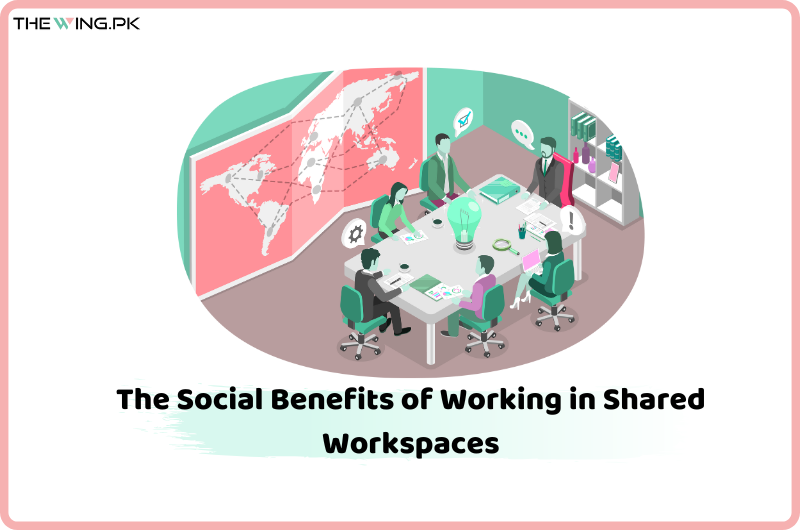
The Social Benefits of Working in Shared Workspaces
The workplace has undergone a seismic transformation over the past two decades. The rigid walls of traditional offices are giving way to the fluid, adaptive environments of coworking hubs and shared workspaces. This transformation has not only revolutionized how professionals operate but also reshaped how individuals forge human connections within the professional sphere. At the heart of this cultural shift lies a deeper understanding of the Social Benefits of Working in Shared Workspaces. These benefits extend far beyond logistical conveniences. They embody the essence of collaboration, innovation, and the cultivation of vibrant communities. In an era where isolation—both professional and personal—can erode morale and diminish creativity, shared environments provide a compelling counterbalance. They allow people to merge productivity with connectivity, independence with inclusion, and ambition with belonging. Click here to learn about the best coworking space in Islamabad! 1. Redefining Community in the Modern Workplace The most striking feature of shared environments is their ability to foster community. Traditional offices often confine interactions to hierarchical frameworks, but shared spaces dismantle these invisible walls. A freelancer might share a table with a startup founder, while a corporate remote worker exchanges ideas with a graphic designer. This cross-pollination of diverse professions fuels more than incidental interactions—it lays the foundation for enduring networks. The Social Benefits of Working in Shared Workspaces are anchored in this ability to blur professional boundaries while nurturing interpersonal relationships. For many, these communities provide a surrogate for the camaraderie once found in conventional offices, but with greater openness and inclusivity. 2. The Antidote to Professional Isolation Isolation is one of the most significant challenges facing freelancers, entrepreneurs, and remote employees. Working from home may offer comfort, but it often denies workers the stimulation of human contact. Shared workspaces, however, serve as antidotes to this solitude. Casual exchanges over coffee, collaborative brainstorming sessions, or simply the presence of others engaged in purposeful work can elevate morale and mental health. The Social Benefits of Working in Shared Workspaces extend deeply into the realm of psychological well-being, mitigating loneliness and restoring a sense of shared purpose. 3. Networking as a Natural Byproduct Networking in shared environments feels less transactional and more organic. Unlike formal networking events where interactions are forced, shared workspaces encourage spontaneous conversations that evolve into genuine professional connections. The Social Benefits of Working in Shared Workspaces manifest in serendipitous opportunities—such as overhearing someone mention a project that aligns with your expertise or discovering collaborators while sharing a communal lunch table. These environments become breeding grounds for professional growth because relationships emerge naturally from daily proximity and shared experiences. 4. Fostering Collaboration and Innovation Collaboration thrives where diversity converges. In shared workspaces, professionals from varied industries contribute unique perspectives to common problems. This amalgamation of expertise often births innovations that might not surface in siloed environments. The Social Benefits of Working in Shared Workspaces are particularly evident when individuals engage in cross-disciplinary dialogue. A programmer may find fresh insights from a marketer, while an architect draws inspiration from a filmmaker. These collisions of thought not only enhance creativity but also accelerate the pace of innovation. 5. Emotional Resilience Through Social Support Human beings are inherently social creatures, and emotional resilience often depends on support systems. In shared workspaces, colleagues-turned-friends provide encouragement during setbacks and celebrate milestones together. The Social Benefits of Working in Shared Workspaces extend to this vital dimension of emotional well-being. The shared triumphs, frustrations, and day-to-day interactions forge bonds that transcend professional utility. These social lifelines remind individuals that they are not navigating their journeys in isolation. 6. Building Trust and Reciprocity Trust is a cornerstone of any thriving community, and shared workspaces foster an environment where reciprocity flourishes. Members exchange knowledge, recommend clients, and share resources. The Social Benefits of Working in Shared Workspaces are amplified through this culture of mutual aid. Unlike competitive office environments where information may be guarded, shared spaces thrive on generosity. By uplifting one another, individuals elevate both their personal and collective success. 7. Expanding Cultural Horizons Shared workspaces are melting pots of cultural diversity. Professionals from different countries, ethnicities, and backgrounds congregate under one roof, bringing with them unique traditions, languages, and worldviews. The Social Benefits of Working in Shared Workspaces include exposure to perspectives that broaden cultural understanding. These interactions not only enrich professional knowledge but also enhance empathy and tolerance—qualities increasingly vital in today’s interconnected world. 8. Learning Through Observation and Informal Mentorship Formal mentorship programs are valuable, but the informal learning in shared workspaces is equally transformative. Observing peers tackle challenges, adopt new tools, or navigate client relationships can be instructive. The Social Benefits of Working in Shared Workspaces encompass this dimension of silent education. When professionals of varying experience levels collaborate or simply share space, knowledge transfer occurs seamlessly and without pretense. 9. Elevating Professional Identity Belonging to a community often strengthens one’s professional identity. For freelancers and solopreneurs who may struggle with defining their place in the broader professional ecosystem, shared workspaces provide validation. The Social Benefits of Working in Shared Workspaces extend into personal branding. By being part of a collective, individuals gain credibility, visibility, and an affiliation that reinforces their professional legitimacy. 10. Opportunities for Collective Celebrations Milestones become more meaningful when celebrated together. Shared workspaces frequently host events, workshops, and celebrations that bring members together in joy and recognition. The Social Benefits of Working in Shared Workspaces lie in this shared celebration of achievement. Whether it is launching a new product, closing a major deal, or marking a holiday, these events create moments of collective joy that enhance belonging. 11. Cross-Generational Interactions Shared environments attract professionals of all ages, from fresh graduates to seasoned experts. This blend fosters cross-generational dialogue that enriches both ends of the spectrum. The Social Benefits of Working in Shared Workspaces are magnified when a younger entrepreneur gains wisdom from an older mentor, or when a veteran professional adopts new digital skills from younger peers. This synergy strengthens intergenerational respect and innovation. 12. Reinforcing Accountability Through Community
The Social Benefits of Working in Shared Workspaces Read More »