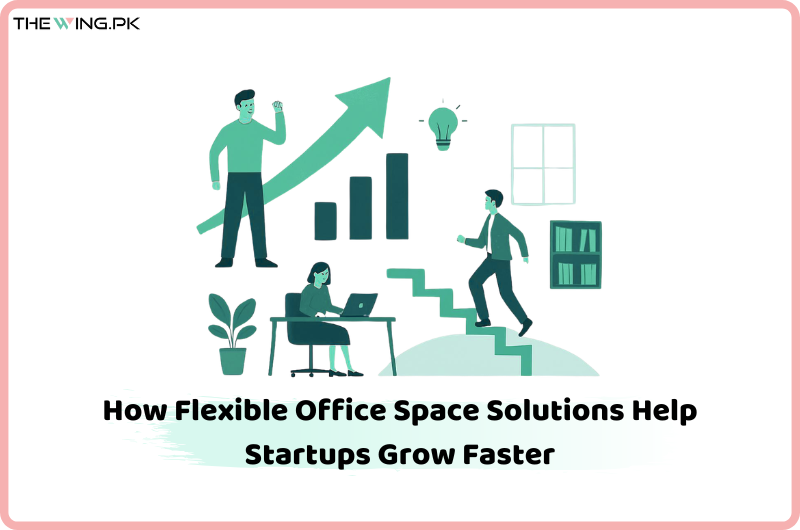
How Flexible Office Space Solutions Help Startups Grow Faster
In today’s highly competitive and rapidly evolving business landscape, startups must remain agile, innovative, and cost-efficient to survive and scale successfully. One of the most critical decisions for any startup is choosing the right workspace. Traditional office leases often come with long-term commitments, high setup costs, and limited flexibility factors that can slow down growth. This is where modern coworking environments and flexible workspaces are changing the game. Understanding How Flexible Office Space Solutions Help Startups Grow Faster is essential for entrepreneurs who want to build scalable and sustainable businesses. These solutions provide startups with the infrastructure, environment, and flexibility they need to grow without unnecessary burdens. In this comprehensive guide, we’ll explore every aspect of How Flexible Office Space Solutions Help Startups Grow Faster and why they are becoming the backbone of startup ecosystems worldwide. Click here to learn about the best coworking space in Islamabad! What Are Flexible Office Space Solutions? Flexible office space solutions are modern workspace arrangements that allow businesses to rent office space with flexible terms, shared resources, and scalable options. Unlike traditional offices, these spaces eliminate long-term leases and offer ready-to-use infrastructure. To truly understand How Flexible Office Space Solutions Help Startups Grow Faster, it’s important to look at how they remove barriers that typically slow down new businesses. Instead of spending months setting up an office, startups can move in and start working immediately. These workspaces typically include: Hot desks and dedicated desks Private offices Meeting and conference rooms High-speed internet and utilities Reception and administrative support By offering all-in-one solutions, flexible offices allow startups to focus entirely on growth and innovation. Cost Efficiency: A Game-Changer for Startups Lower Initial Investment One of the biggest challenges for startups is managing limited capital. Renting a traditional office requires upfront deposits, furniture purchases, utility setups, and maintenance costs. A key reason How Flexible Office Space Solutions Help Startups Grow Faster is their ability to significantly reduce these initial expenses. Startups can begin operations without heavy financial commitments, allowing them to preserve capital for core business activities. Predictable Monthly Costs Flexible workspaces typically offer all-inclusive pricing. This means startups don’t have to worry about fluctuating expenses like electricity, internet, or maintenance. This financial predictability plays a major role in How Flexible Office Space Solutions Help Startups Grow Faster, as it helps founders plan budgets more effectively and avoid unexpected costs. Better Resource Allocation Instead of spending money on office infrastructure, startups can invest in: Hiring skilled employees Marketing and branding Product development Technology upgrades This smarter allocation of resources directly accelerates business growth. Scalability: Grow at Your Own Pace Easy Expansion Startups often experience rapid growth, especially in their early stages. Traditional office spaces make it difficult to scale quickly due to rigid lease agreements. One of the strongest advantages of How Flexible Office Space Solutions Help Startups Grow Faster is scalability. Businesses can easily upgrade their workspace as their team grows, without relocating or facing disruptions. Flexible Downsizing Not all startups grow at a consistent pace. Some may need to downsize during challenging periods. Flexible office spaces allow businesses to adjust their space requirements without financial penalties. This adaptability ensures that startups remain efficient regardless of market conditions. Access to Premium Infrastructure Ready-to-Use Facilities Flexible office providers offer fully equipped workspaces with modern amenities such as: High-speed internet Office furniture Meeting rooms Printing and IT support This is another way How Flexible Office Space Solutions Help Startups Grow Faster, as startups can start working immediately without worrying about setup. Professional Business Environment Having access to a professional office environment enhances credibility. It creates a strong impression on clients, investors, and partners. Startups operating from well-designed coworking spaces often appear more established and trustworthy. Networking Opportunities and Community Growth Collaboration with Like-Minded Individuals Coworking spaces bring together professionals from various industries, including entrepreneurs, freelancers, and small businesses. A major factor in How Flexible Office Space Solutions Help Startups Grow Faster is the opportunity to network and collaborate. Startups can connect with potential partners, clients, and mentors within the same workspace. Knowledge Sharing Being part of a coworking community allows startups to learn from others’ experiences. This exchange of ideas can lead to innovation and faster problem-solving. Events and Workshops Many coworking spaces host events, seminars, and workshops. These activities help startups gain insights, improve skills, and expand their network. Increased Productivity and Focus Distraction-Free Environment Working from home or public places can lead to distractions and reduced productivity. Flexible office spaces provide a structured and professional environment that enhances focus. This is another important aspect of How Flexible Office Space Solutions Help Startups Grow Faster, as productivity directly impacts business performance. Work-Life Balance Having a dedicated workspace helps separate professional and personal life. This balance is essential for maintaining mental well-being and long-term productivity. Prime Locations and Business Visibility Prestigious Business Address Flexible office spaces are often located in prime commercial areas. This allows startups to establish a strong business presence without paying high rental costs. Understanding How Flexible Office Space Solutions Help Startups Grow Faster includes recognizing the importance of location in building brand credibility. Better Accessibility Central locations make it easier for employees, clients, and partners to access the office. This improves communication and business operations. Flexibility in Lease Terms No Long-Term Commitment Traditional office leases often require long-term contracts, which can be risky for startups. A core reason How Flexible Office Space Solutions Help Startups Grow Faster is the availability of short-term and flexible lease options. Startups can scale or relocate without being tied down. Adapt to Changing Needs As business needs evolve, startups can easily adjust their workspace. This flexibility ensures they remain competitive and efficient. Boosting Employee Satisfaction and Retention Comfortable Work Environment Modern coworking spaces are designed with comfort and productivity in mind. Features like ergonomic furniture, breakout areas, and collaborative zones create a positive work atmosphere. Attracting Talent Startups often struggle to compete with large corporations when it comes to hiring talent. However, offering a modern and flexible workspace
How Flexible Office Space Solutions Help Startups Grow Faster Read More »