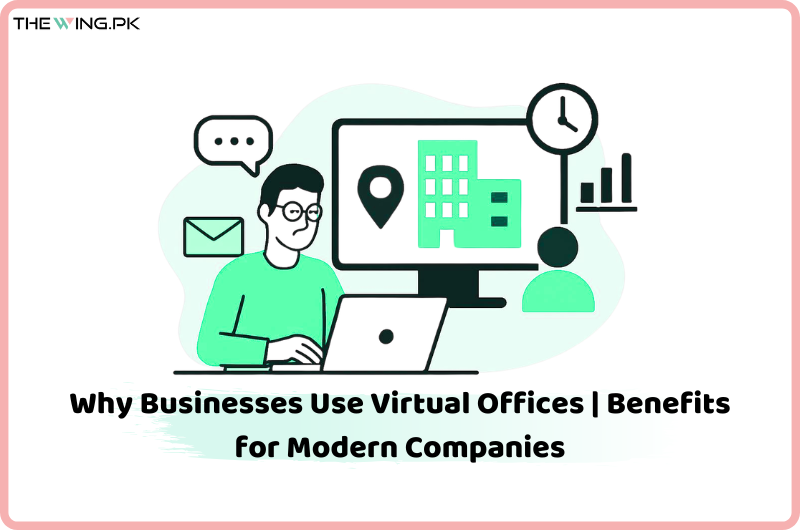
Why Businesses Use Virtual Offices | Benefits for Modern Companies
In today’s rapidly evolving commercial landscape, why businesses use virtual offices has become a prominent discussion among entrepreneurs, startups, freelancers, and even multinational corporations. Traditional office environments are no longer the only pathway to professional credibility. Companies now seek agility, operational efficiency, and cost-effective infrastructure. This is precisely where virtual offices emerge as a transformative business solution. The modern workforce thrives on flexibility. Remote collaboration tools, cloud-based systems, and digital communication platforms have fundamentally altered how organisations operate. As a result, understanding why businesses use virtual offices is essential for companies aiming to remain competitive while reducing unnecessary overhead expenses. From establishing a prestigious business address to enhancing scalability, virtual offices provide practical advantages that traditional office models often fail to deliver. What Is a Virtual Office? A virtual office is a professional business solution that allows companies to maintain a commercial presence without leasing a permanent physical workspace. Businesses can access services such as: Professional business addresses Mail handling and forwarding Receptionist services Call answering Meeting room access Administrative support Unlike conventional offices, virtual offices eliminate the burden of long-term leases, maintenance fees, and utility costs. This operational elasticity explains why businesses use virtual offices across various industries. Why Businesses Use Virtual Offices for Cost Reduction One of the primary reasons why businesses use virtual offices is the substantial reduction in operational costs. Renting commercial office space in major cities can be extraordinarily expensive. Utility bills, office furniture, maintenance, internet services, and staffing costs quickly accumulate. Virtual offices remove many of these financial burdens. Businesses can allocate resources more strategically toward: Marketing campaigns Product development Employee training Customer acquisition Technology upgrades For startups and small businesses, conserving capital is critical during the early growth stages. A virtual office provides professional legitimacy without draining financial reserves. Lower Overhead Expenses Traditional offices often require: Security deposits Long-term rental contracts Utility management Cleaning services Equipment purchases Virtual offices significantly minimise these obligations. Companies only pay for the services they actually require, creating a leaner operational structure. Enhanced Professional Image Another major reason why businesses use virtual offices is to establish a credible and professional corporate identity. First impressions matter enormously in business. Clients and investors often evaluate a company based on its location and presentation. A prestigious business address in a prime commercial district can elevate brand perception immediately. Instead of using a residential address, businesses can showcase an upscale corporate location on: Websites Business cards Email signatures Marketing materials This sophisticated appearance helps organisations compete with larger enterprises, even if they operate remotely. Building Customer Trust Professional addresses create psychological reassurance. Customers are generally more confident dealing with businesses that appear established and organised. Virtual offices foster trust while maintaining affordability. Flexibility and Remote Work Freedom The modern business ecosystem increasingly prioritises flexibility. Understanding why businesses use virtual offices requires recognising the dramatic shift toward remote and hybrid work models. Employees now prefer work environments that support autonomy and work-life balance. Virtual offices enable teams to operate from virtually anywhere while maintaining a cohesive business identity. Geographic Independence With virtual offices, businesses are no longer confined to a single location. Companies can: Hire global talent Operate across time zones Expand into new markets Reduce commuting stress This decentralised approach enhances productivity while fostering workforce satisfaction. Improved Employee Morale Remote work flexibility often leads to: Better mental well-being Reduced travel fatigue Increased job satisfaction Higher productivity levels As employee expectations evolve, virtual offices become increasingly valuable for talent retention. Why Businesses Use Virtual Offices for Business Expansion Expansion traditionally required significant investment in physical office infrastructure. Today, virtual offices provide a far more agile alternative. Businesses can establish a presence in multiple cities or countries without renting several physical offices. This strategic adaptability is another important reason why businesses use virtual offices. Testing New Markets Before committing to a permanent office, businesses can evaluate market demand through a virtual presence. This minimises financial risk while providing valuable market insights. For example, a company headquartered in one city can acquire a virtual office in another region to: Build local credibility Attract regional clients Conduct meetings Explore partnerships This low-risk expansion strategy accelerates business growth. Access to Premium Business Services Virtual offices often include access to sophisticated administrative services that smaller businesses may otherwise struggle to afford. These services may include: Live receptionists Call handling Mail management Meeting room bookings Videoconferencing facilities This operational support contributes significantly to why businesses use virtual offices. Administrative Efficiency Outsourcing administrative functions allows companies to focus on core business operations rather than routine management tasks. Increased efficiency often translates directly into improved profitability. Better Work-Life Balance Entrepreneurs frequently experience burnout due to rigid office schedules and exhausting commutes. Virtual offices alleviate these pressures by enabling flexible work arrangements. Professionals can work from: Home offices Coworking spaces Cafés Different cities or countries This flexibility improves personal well-being while maintaining professional continuity. Reduced Commute Stress Daily commuting consumes time, energy, and financial resources. Eliminating lengthy travel routines often leads to: Greater productivity Improved concentration Enhanced mental clarity Better time management This lifestyle improvement strongly influences why businesses use virtual offices in the modern era. Environmental Sustainability Sustainability has become a strategic priority for businesses worldwide. Virtual offices contribute positively to environmental conservation by reducing: Daily commuting emissions Energy consumption Paper waste Office utility usage Companies seeking eco-conscious operational models increasingly recognise why businesses use virtual offices as part of their sustainability strategies. Supporting Green Business Practices Remote operations reduce carbon footprints significantly. Environmentally responsible practices also improve brand reputation among socially conscious consumers. Scalability for Growing Businesses Business needs evolve continuously. A startup may begin with only a few employees but rapidly expand over time. Virtual offices provide remarkable scalability without operational disruption. Companies can: Add new services easily Expand geographically Increase team size Access larger meeting facilities when needed This adaptability is another compelling reason why businesses use virtual offices. Avoiding Long-Term Commitments Traditional office leases often lock businesses into inflexible agreements. Virtual offices provide greater operational fluidity,
Why Businesses Use Virtual Offices | Benefits for Modern Companies Read More »